
Table of Contents
📊 Live Market Data (ASX)
| Ticker | Current Price | Market Cap | 52W High | 52W Low |
|---|---|---|---|---|
| WES | $82.58 | $93.75B | $95.175 | $67.7 |
| WOW | $31.31 | $38.25B | $33.76 | $25.51 |
| COL | $21.7 | $29.12B | $24.28 | $18.325 |
| JBH | $83.21 | $9.10B | $121.0 | $72.26 |
| HVN | $6.28 | $7.82B | $7.7 | $4.53 |
| PMV | $13.52 | $2.16B | $23.53 | $12.76 |
| AX1 | $0.87 | $0.52B | $2.09 | $0.865 |
| KGN | $3.26 | $0.32B | $5.3 | $2.88 |
| MYR | $0.365 | $0.63B | $0.845 | $0.36 |
| UNI | $9.08 | $0.70B | $9.88 | $6.58 |
Introduction
Australia, often lauded for its robust economy and strong consumer culture, finds itself at a critical juncture. A relentless surge in the cost of living – characterised by stubbornly high inflation, a rapid succession of interest rate hikes, and wage growth that continues to lag behind – is tightening the financial screws on Australian households. The ripple effect is undeniable, manifesting as a significant shift in consumer behaviour: a pivot from discretionary spending towards essential goods, and a general tightening of belts across the board. This seismic shift begs a crucial question for investors and market watchers: Is Australia’s cost-of-living crisis crushing ASX retail stocks, and what does this mean for the sector’s future?
For years, the ASX retail sector has been a bellwether for the health of the Australian economy, reflecting the nation’s spending habits and confidence levels. However, the current economic climate presents unprecedented headwinds. From the supermarket giants to the fashion boutiques and electronics retailers, no segment of the retail landscape appears immune to the pressures of dwindling disposable income and cautious consumer sentiment. This deep-dive article will dissect the intricate dynamics at play, offering a comprehensive analysis of the macroeconomic forces, a detailed look into the performance of specific ASX retail players, and a forward-looking perspective on what investors can expect in this challenging environment. As an elite ASX Financial Analyst and Expert Blogger, my aim is to provide an evergreen resource that arms you with the insights needed to navigate these turbulent waters.
Detailed Market Analysis / Overview
The current state of the Australian retail market is a direct reflection of several powerful macroeconomic forces converging simultaneously. Understanding these drivers is paramount to appreciating the challenges faced by ASX-listed retailers.
Macroeconomic Headwinds
- Inflationary Pressures: The most immediate and pervasive threat. Australia’s Consumer Price Index (CPI) has soared to multi-decade highs, driven by a combination of global supply chain disruptions, elevated energy costs, and strong domestic demand post-pandemic. While headline inflation has shown signs of moderating, core inflation remains sticky, particularly in services. This means that the cost of everything from groceries and petrol to utilities and rent has escalated dramatically, eroding household purchasing power. For retailers, this translates into higher input costs (raw materials, freight, wages) and a consumer base with less money to spend on non-essentials.
- Aggressive Interest Rate Hikes: The Reserve Bank of Australia (RBA) has embarked on one of the most aggressive tightening cycles in decades, lifting the cash rate from emergency lows to levels not seen in over a decade. This has had a profound impact on homeowners with variable mortgages, drastically increasing their monthly repayments. The ‘mortgage cliff’ phenomenon, where a significant number of fixed-rate mortgages are rolling off onto much higher variable rates, is exacerbating financial stress for a substantial segment of the population. Reduced disposable income from higher mortgage payments directly translates to less money available for retail purchases.
- Stagnant Real Wage Growth: Despite a tight labour market and some nominal wage increases, real wage growth (wages adjusted for inflation) has remained negative for an extended period. This means that, for most Australians, their pay packets simply aren’t keeping pace with the rising cost of living. The perception of being ‘worse off’ is a powerful psychological deterrent to spending.
- Deteriorating Consumer Confidence: Unsurprisingly, consumer confidence surveys (such as the Westpac-Melbourne Institute Consumer Sentiment Index and the ANZ-Roy Morgan Consumer Confidence Index) have been consistently languishing at recessionary levels. When consumers feel uncertain about their financial future, job security, or the broader economic outlook, they tend to defer large purchases and become more cautious with their spending. This ‘wait and see’ approach is detrimental to discretionary retail.
- Dwindling Household Savings: The pandemic-era savings buffer, built up during lockdowns and government stimulus, has largely been drawn down. Households are increasingly relying on their savings to maintain their lifestyles or cover essential expenses, further limiting their capacity for discretionary retail spending.
Retail Sector Performance Trends
The aggregate performance of the ASX retail sector paints a clear picture of stress. Recent earnings reports from major players have highlighted declining sales volumes, particularly in big-ticket items, and increasing promotional activity designed to clear inventory. While some segments, like supermarkets and discount retailers, have shown resilience due to their essential nature, even they face challenges from ‘down-trading’ (consumers opting for cheaper brands or private labels) and rising operational costs. E-commerce, which boomed during the pandemic, is also facing a normalisation, with growth rates moderating significantly as consumers return to physical stores and discretionary spending tightens online as well.
The divergence between ‘needs’ and ‘wants’ is stark. Retailers catering to essential needs are proving more defensive, while those focused on discretionary items are bearing the brunt of the downturn. This bifurcation is a key theme for investors to monitor.
Deep Dive into Specific Stocks/Trends
To truly understand the impact of the cost-of-living crisis, we must move beyond aggregate data and examine how different segments and specific ASX retail stocks are faring. The retail landscape is not monolithic; various players exhibit varying degrees of resilience or vulnerability.
1. The Defensive Giants: Groceries & Necessities
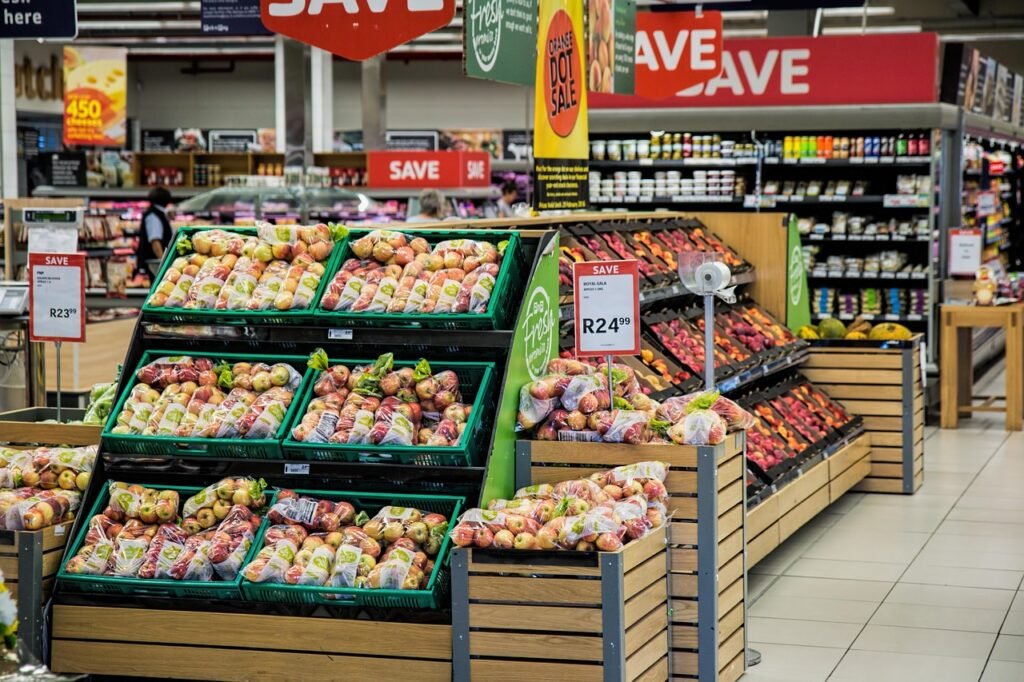
Companies like **Woolworths Group (WOW)** and **Coles Group (COL)**, Australia’s supermarket duopoly, along with **Wesfarmers (WES)** (which owns Bunnings, Kmart, Target, and Officeworks), typically represent the more defensive end of the retail spectrum. People still need food, household essentials, and basic home improvement items regardless of economic conditions.
- Pros:
- Essential Goods: Core offering is non-negotiable for consumers, providing a stable revenue base.
- Pricing Power (to an extent): Ability to pass on some cost increases to consumers, though competitive pressures limit this.
- Private Label Growth: Opportunity to expand higher-margin private label brands as consumers seek value.
- Strong Brand Loyalty & Scale: Deep market penetration and established supply chains.
- Diversification (WES): Wesfarmers’ portfolio, particularly Bunnings (home improvement) and Kmart (discount general merchandise), offers some insulation, as consumers might undertake DIY projects instead of costly renovations, or shift to cheaper clothing/homewares.
- Cons:
- Margin Pressure: Rising input costs (energy, freight, wages) and supplier demands squeeze gross margins.
- Consumer Down-trading: Shoppers opting for cheaper brands, smaller basket sizes, or discount alternatives, impacting average transaction value.
- Intense Competition: Ongoing competition from Aldi and independent grocers keeps pricing sharp.
- Wage Inflation: Significant labour costs are a persistent challenge, particularly for large workforces.
2. The Vulnerable Discretionary Players: Big-Ticket & Fashion
This segment is bearing the brunt of the consumer slowdown. When household budgets are tight, purchases of new electronics, furniture, apparel, and luxury items are the first to be deferred or cancelled.
- Electronics & Home Goods: Companies like **JB Hi-Fi (JBH)** and **Harvey Norman (HVN)** have seen a boom during the pandemic as people invested in their homes. That tailwind has now reversed.
- Fashion & Apparel: Retailers such as **Premier Investments (PMV)** (Just Jeans, Smiggle, Peter Alexander), **Accent Group (AX1)** (Platypus, Hype DC, Skechers), **Universal Store (UNI)**, and department stores like **Myer (MYR)** are highly sensitive to discretionary spending.
- Online Pure-Plays: Even online retailers like **Kogan.com (KGN)**, which thrived during lockdowns, are feeling the pinch as consumer demand normalises and competition intensifies.
- Pros (for some):
- Niche Markets/Strong Brands: Some players with unique offerings (e.g., Peter Alexander for sleepwear, Smiggle for kids’ stationery) or strong brand loyalty might retain a segment of their customer base.
- Efficient Inventory Management: Retailers with agile supply chains and lean inventory can adapt quickly to demand shifts, avoiding deep discounting.
- Omnichannel Strategy: Those with a seamless online and in-store experience are better positioned to capture sales.
- Cons:
- High Sensitivity to Confidence: Directly impacted by declining consumer sentiment and disposable income.
- Deferred Purchases: Big-ticket items are easily postponed.
- Promotional Environment: Increased discounting to move inventory erodes profit margins.
- Inventory Build-up Risk: Misjudging demand can lead to excess stock, necessitating aggressive clearance sales.
- Declining Foot Traffic: Reduced visits to shopping centres and physical stores.
- Online Competition: Intense competition from global players and smaller pure-plays.
3. The ‘Value’ Trend:
A significant trend across all segments is the consumer shift towards value. Whether it’s opting for supermarket private labels, choosing Kmart over more expensive department stores, or seeking out sales and promotions, consumers are becoming far more price-conscious. Retailers who can effectively communicate a strong value proposition are better positioned.
Future Outlook
The path ahead for ASX retail stocks remains challenging, with a high degree of uncertainty tethered to macroeconomic developments. While the worst of the inflation surge might be behind us, the lag effects of interest rate hikes and the ongoing squeeze on household budgets are likely to persist well into the next financial year.
Potential Scenarios:
- Soft Landing (Optimistic): Inflation moderates faster than expected, the RBA pauses or even cuts rates sooner, and wage growth gradually picks up, leading to a gentle recovery in consumer confidence and spending. Retailers would see a gradual normalisation of demand.
- Mild Recession/Prolonged Stagnation (More Likely): Inflation remains sticky, forcing the RBA to keep rates higher for longer. Consumer spending contracts further, potentially leading to a technical recession or a prolonged period of very weak economic growth. Retailers would face sustained pressure, with some smaller players struggling for survival.
- Hard Landing (Pessimistic): A sharp and deep recession, possibly triggered by an external shock or a policy misstep, leading to significant job losses and a severe contraction in consumer demand. This would be catastrophic for most discretionary retailers.
Key Indicators to Watch:
- RBA Cash Rate Decisions: Any indication of a pause or, eventually, a cut, would provide significant relief to mortgage holders and boost sentiment.
- Inflation Data (CPI): A sustained decline in core inflation is crucial for the RBA to ease monetary policy.
- Wage Price Index (WPI): A meaningful acceleration in real wage growth is necessary to restore household purchasing power.
- Unemployment Rate: A sharp increase in unemployment would signal a significant deterioration in the labour market and further dampen consumer confidence.
- Consumer Confidence Surveys: These will continue to be a leading indicator of future spending intentions.
- Retail Sales Data: Monthly figures will show the real-time impact on spending volumes.
Adaptation Strategies for Retailers:
The retailers that survive and thrive in this environment will be those that are agile and strategically sound:
- Cost Control & Efficiency: Ruthless focus on operational efficiency, supply chain optimisation, and managing overheads.
- Inventory Management: Avoiding overstocking is paramount to prevent deep discounting and margin erosion. ‘Just-in-time’ inventory models will be critical.
- Value Proposition: Emphasising affordability, private label expansion, and clear communication of value to price-sensitive consumers.
- Customer Loyalty & Engagement: Investing in loyalty programs and personalised marketing to retain existing customers and encourage repeat purchases.
- Omnichannel Excellence: Seamless integration of online and physical store experiences, offering click-and-collect, efficient delivery, and personalised digital interactions.
- Balance Sheet Strength: Companies with strong balance sheets, low debt, and healthy cash flows will be better positioned to weather the storm and potentially acquire struggling competitors.
Investment Implications:
Investors should approach the ASX retail sector with caution. Defensive plays (supermarkets, discount retailers) might offer relative stability but could still face margin pressure. Discretionary retailers, particularly those with high debt or undifferentiated offerings, carry higher risk. Opportunities might emerge in companies that demonstrate strong balance sheets, effective cost management, and a clear value proposition, or those that have been oversold and are poised for a rebound once economic conditions improve. Patience and selective stock picking will be key.
Conclusion
The warning for ASX retail stocks is stark and undeniable: Australia’s cost-of-living crisis is indeed exerting immense pressure on consumer spending, creating a challenging operating environment for nearly all players in the sector. The convergence of high inflation, aggressive interest rate hikes, and stagnant real wage growth has significantly eroded household disposable income and consumer confidence, forcing a fundamental shift in purchasing priorities from ‘wants’ to ‘needs’.
Our deep dive has revealed a bifurcated market. While defensive retailers like Woolworths (WOW), Coles (COL), and segments of Wesfarmers (WES) are proving more resilient due to their essential goods offerings, even they are not immune to ‘down-trading’ and rising input costs. The brunt of the crisis is unequivocally being borne by discretionary retailers, including electronics giants like JB Hi-Fi (JBH) and Harvey Norman (HVN), and fashion powerhouses such as Premier Investments (PMV) and Accent Group (AX1), which are grappling with reduced sales volumes, increased promotional activity, and the inherent volatility of consumer sentiment.
Looking ahead, the outlook remains cautious. While the precise trajectory of the Australian economy is uncertain, a prolonged period of subdued consumer spending appears likely. Investors must meticulously monitor key macroeconomic indicators and the RBA’s policy decisions for any signs of relief. The retailers best positioned to navigate these headwinds will be those demonstrating exceptional agility in cost control, astute inventory management, a compelling value proposition, and a robust omnichannel strategy.
In summary, the current economic climate demands a highly selective and cautious approach to ASX retail investments. While the long-term resilience of the Australian consumer should not be underestimated, the immediate future presents significant challenges. Investors are urged to prioritise companies with strong fundamentals, diversified revenue streams, and a proven ability to adapt to changing market conditions. The warning is clear: proceed with caution, but also recognise that periods of significant stress can, for the discerning investor, also unearth future opportunities.
Frequently Asked Questions
How is Australia’s cost-of-living crisis specifically impacting ASX retail stocks?
The crisis, driven by high inflation, rising interest rates, and stagnant real wages, is forcing Australian households to cut back on discretionary spending. This directly reduces sales volumes and revenue for many retailers, particularly those in non-essential goods, leading to margin compression, increased promotional activity, and a general downturn in consumer confidence, all of which negatively impact stock performance.
Are all retail sectors on the ASX equally affected by the consumer downturn?
No, the impact is uneven. Essential goods retailers, like supermarkets (Woolworths, Coles) and some discount department stores (Kmart under Wesfarmers), are generally more resilient as consumers still need food and basic necessities. However, even these face pressure from ‘down-trading’ and rising input costs. Discretionary retailers, particularly those selling big-ticket items (e.g., electronics, furniture) or fashion, are the most vulnerable as these purchases are easily deferred or cancelled by cash-strapped consumers.
What strategies are ASX retailers employing to navigate the challenging economic environment?
Retailers are adopting several strategies, including stringent cost control, optimising inventory to avoid discounting excess stock, expanding private label offerings to provide value, enhancing loyalty programs, and strengthening their omnichannel presence to capture sales across various platforms. Some are also focusing on smaller, more frequent purchases or offering flexible payment options to ease the burden on consumers.