Table of Contents
📊 Live Market Data (ASX)
| Ticker | Current Price | Market Cap | 52W High | 52W Low |
|---|---|---|---|---|
| BHP | $52.81 | $268.18B | $59.39 | $33.25 |
| RIO | $158.67 | $257.87B | $170.71 | $100.75 |
| SFR | $17.09 | $7.97B | $21.75 | $8.05 |
| AIS | $0.495 | $0.59B | $0.7 | $0.15 |
Introduction
The Australian Securities Exchange (ASX) mining sector, a cornerstone of the nation’s economy and a bellwether for global industrial health, finds itself navigating a turbulent landscape. After a period of robust performance fueled by strong commodity prices, particularly iron ore, the sector is now facing significant headwinds. Two formidable forces are currently conspiring to dampen investor sentiment and impact profitability: persistently weak copper prices and the lingering, often unpredictable, geopolitical and trade tensions with China. This deep-dive article will dissect these critical factors, analyze their multifaceted implications for specific ASX-listed miners, and explore the potential trajectory for this vital industry.
Australia’s vast reserves of minerals and its proximity to Asia have historically positioned it as a dominant player in the global resources market. The health of its mining giants, from the diversified behemoths to the specialized pure-plays, has a profound ripple effect across the broader Australian economy, influencing everything from employment figures to the strength of the Australian dollar. Understanding the current slump, therefore, is not merely an exercise for resource investors but a crucial insight into the nation’s economic resilience.
As we delve into the intricacies of this challenging period, we will explore why copper, often dubbed ‘Dr. Copper’ for its predictive economic prowess, is flashing warning signs, and how the complex relationship with China continues to cast a long shadow over future prospects. We’ll also examine how individual companies are positioned to weather this storm, considering their operational strengths, diversification strategies, and vulnerability to these macro trends.
Detailed Market Analysis / Overview
The Copper Conundrum: Dr. Copper’s Prognosis for Global Growth
Copper, the red metal, is an indispensable component in countless industrial applications, from construction and manufacturing to electronics and, increasingly, the burgeoning electric vehicle (EV) and renewable energy sectors. Its widespread use makes it a highly sensitive barometer of global economic health. A sustained decline in copper prices is often interpreted as a signal of weakening industrial demand and, by extension, a slowdown in global economic activity – hence its moniker, ‘Dr. Copper’.
- Demand-Side Weakness: The current slump in copper prices can be attributed to several demand-side pressures. Global manufacturing output has cooled considerably, impacted by high inflation, rising interest rates, and ongoing supply chain disruptions. Major economies like Europe and the United States are grappling with recession fears, leading to reduced capital expenditure and consumer spending. China, the world’s largest consumer of industrial metals, has also experienced a sluggish post-COVID recovery, particularly in its property sector, which traditionally consumes vast quantities of copper.
- Supply-Side Dynamics: While long-term supply deficits are projected for copper due to underinvestment in new mines and declining ore grades, the short-term market has seen some stability in supply. However, the overwhelming demand-side weakness has been the dominant force driving prices lower, overshadowing any immediate supply constraints.
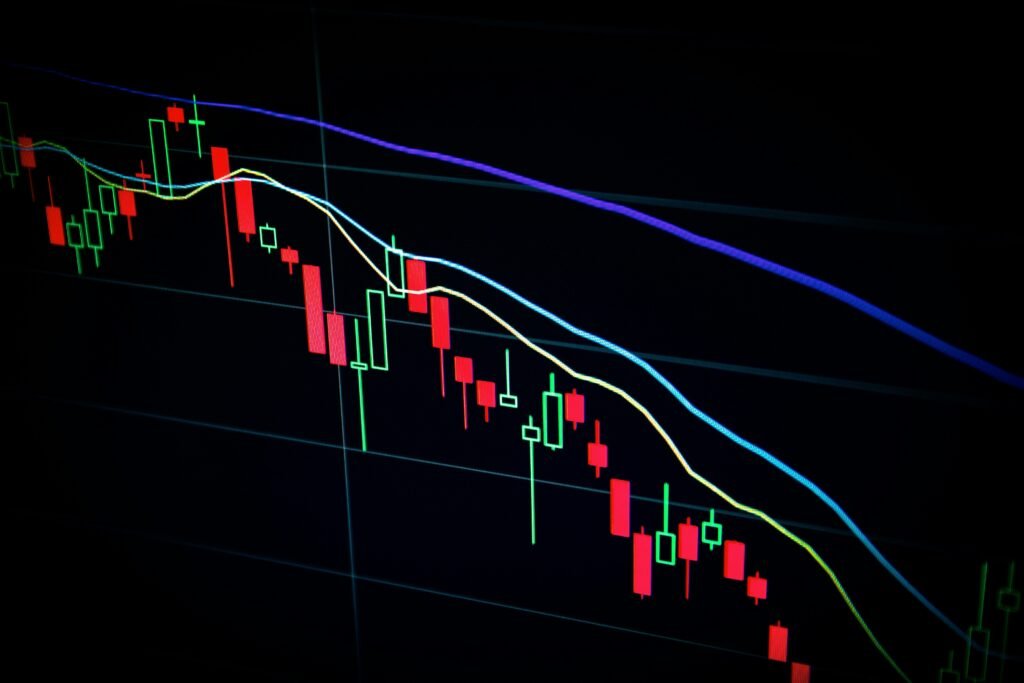
- Price Trajectory: After peaking at over US$10,000 per tonne in early 2022, copper prices have retreated significantly, often trading below US$8,000 per tonne for extended periods. This represents a substantial correction, eroding profit margins for producers and prompting concerns about the viability of higher-cost operations.
The China Spat: Geopolitical Headwinds and Economic Interdependence
China’s role in the global commodities market cannot be overstated. As the primary engine of global growth for decades, its demand for raw materials has underpinned the prosperity of many resource-rich nations, none more so than Australia. However, the relationship between Australia and China has been fraught with tension in recent years, manifesting in trade disputes, diplomatic spats, and a broader geopolitical rivalry.
- Trade Sanctions and Diversification: While Australia’s iron ore exports to China have largely remained resilient due to China’s immense and immediate need for the steelmaking ingredient, other Australian commodities like coal, barley, wine, and seafood have faced tariffs or unofficial import bans. This has forced Australian producers to seek alternative markets, often at lower prices or with increased logistical challenges. For the mining sector, this creates a precedent and a persistent risk that other minerals could become targets, particularly if China successfully diversifies its supply sources.
- Economic Slowdown in China: Beyond the direct trade disputes, China’s own economic challenges are a major concern. The property sector downturn, local government debt issues, and a cautious consumer sentiment are all contributing to a slower overall growth trajectory. This directly translates to reduced demand for industrial metals, including copper, nickel, and lithium, impacting global prices and, consequently, Australian miners.
- Strategic De-risking: Beijing’s stated goal of achieving greater self-sufficiency and ‘de-risking’ its supply chains post-pandemic and amidst geopolitical tensions means it is actively exploring new sources for critical minerals. While Australia remains a competitive and reliable supplier, the long-term implications could be a gradual erosion of its market share in China if alternative supply routes (e.g., from Africa or South America) are successfully developed and scaled.
Broader Economic Context and Currency Impacts
The global economic backdrop further complicates matters. Persistent inflation has prompted aggressive interest rate hikes by central banks worldwide, increasing the cost of capital for mining projects and potentially dampening investment. A stronger US dollar, often seen as a safe haven during economic uncertainty, can also put downward pressure on commodity prices, which are typically denominated in dollars, making them more expensive for buyers using other currencies. Conversely, a weaker Australian dollar can provide a partial buffer for Australian miners, as their costs are primarily in AUD, while revenues are often in USD, improving local currency margins. However, a significant commodity price slump can quickly negate this benefit.
Deep Dive into Specific Stocks/Trends
The impact of weak copper prices and the China spat is not uniform across the ASX mining sector. Companies with diversified portfolios, strong balance sheets, and lower operating costs are better positioned to weather the storm than pure-play copper producers or those heavily reliant on single markets.
Major Diversified Miners
These giants benefit from their broad commodity exposure, which helps cushion the blow from any single commodity’s downturn.
BHP Group (BHP)
- Pros: BHP is a globally diversified miner with significant exposure to iron ore, copper, coal, and nickel. Its copper assets, particularly Escondida in Chile (the world’s largest copper mine) and Olympic Dam in South Australia, are world-class, low-cost operations. The company boasts a robust balance sheet, strong cash flow generation from its iron ore division, and a commitment to shareholder returns. Its diversification provides resilience against commodity-specific downturns and geopolitical risks.
- Cons: Despite its diversification, BHP remains highly sensitive to global economic growth and, by extension, copper prices. Its sheer size means it’s a proxy for the broader mining sector. Large-scale operations inherently carry operational risks, and its global footprint exposes it to various regulatory and political environments.
Rio Tinto (RIO)
- Pros: While predominantly an iron ore powerhouse, Rio Tinto also has significant exposure to aluminium, copper (e.g., Oyu Tolgoi in Mongolia), and industrial minerals. Its iron ore division generates substantial free cash flow, providing financial stability. Rio Tinto is known for its operational efficiency and strong commitment to decarbonization, which aligns with evolving investor preferences. Its diversified portfolio, while less copper-heavy than BHP, still offers protection.
- Cons: Rio Tinto’s reliance on iron ore means its fortunes are heavily tied to China’s steel demand and the broader construction sector. Any significant downturn in Chinese economic activity or a shift in its iron ore procurement strategy could heavily impact RIO. While its copper assets are significant, they represent a smaller portion of its overall revenue compared to BHP.
Pure-Play Copper and Multi-Commodity Miners
These companies offer more direct leverage to copper prices but also carry higher risk.
Sandfire Resources (SFR)
- Pros: Sandfire is a growing mid-tier copper producer with operations in Australia (DeGrussa, now closing) and, increasingly, Botswana (Motlhase, Motheo project). Its focus on copper provides direct exposure to any future price recovery driven by the energy transition. The Motheo project is a modern, low-cost operation with significant growth potential, aiming to become a long-life, cornerstone asset.
- Cons: As a pure-play copper miner, SFR is highly susceptible to copper price volatility. A prolonged period of weak prices directly impacts its profitability, cash flow, and ability to fund future growth. Operating in emerging markets like Botswana, while offering growth opportunities, also introduces higher geopolitical and operational risks compared to Australia.
Aeris Resources (AIS)
- Pros: Aeris is a multi-commodity producer with operations in copper, gold, and zinc across Australia. This diversification offers some protection compared to a pure-play copper miner. The company has a focus on optimizing existing assets and exploring near-mine opportunities, which can be a capital-efficient growth strategy.
- Cons: Aeris is a smaller-scale producer, making it more sensitive to commodity price fluctuations and operational challenges. Its financial strength and ability to fund significant new projects are more constrained than the major miners. While diversified, a significant portion of its revenue still depends on copper, linking its fortunes to the red metal’s performance.
Broader Sector Trends
- Exploration Budget Contraction: A sustained period of low commodity prices typically leads to a reduction in exploration budgets, particularly for junior miners. This could impact the future pipeline of new discoveries, exacerbating potential supply deficits in the longer term but creating immediate challenges for exploration-focused companies.
- M&A Activity: Periods of market weakness can also spur mergers and acquisitions. Larger, well-capitalized miners might look to acquire distressed assets or consolidate smaller players at attractive valuations, seeking to bolster their reserves or expand their commodity exposure.
- ESG and Sustainability: Environmental, Social, and Governance (ESG) considerations continue to gain prominence. Miners are under increasing pressure to demonstrate sustainable practices, reduce carbon footprints, and engage responsibly with local communities. While this adds to operational costs, companies that excel in ESG can attract a broader investor base and potentially achieve a ‘green premium’ on their products.
Future Outlook
The future trajectory of the ASX mining sector, particularly concerning copper prices and China relations, is characterized by a mix of short-term challenges and long-term opportunities.
Copper’s Path Forward
- Short-Term Bearishness: In the immediate future, copper prices are likely to remain subdued as long as global economic growth remains sluggish, and central banks continue their fight against inflation. A significant rebound is unlikely until there is clear evidence of a synchronized global economic recovery, particularly in China’s industrial and property sectors.
- Long-Term Bullishness: The structural demand narrative for copper remains overwhelmingly positive. The global energy transition – driven by the proliferation of electric vehicles, massive investments in renewable energy generation (solar, wind), and the necessary grid modernization – is expected to create unprecedented demand for copper. Many analysts predict a significant supply deficit emerging in the mid-to-late 2020s, as new mine supply struggles to keep pace with this exponential demand growth. This long-term outlook provides a compelling investment thesis for copper, suggesting that current weakness may represent a buying opportunity for patient, long-term investors.
China Relations: A Path to Normalisation or Continued Tensions?
- Cautious Optimism for a Thaw: There have been recent signs of a diplomatic thaw between Australia and China, with high-level meetings and the gradual removal of some trade barriers. Both nations have strong economic incentives to normalize relations. China needs reliable, high-quality raw materials, and Australia benefits immensely from unfettered access to the world’s largest market.
- Persistent Structural Challenges: However, fundamental geopolitical differences and China’s strategic imperative for supply chain diversification mean that the relationship is unlikely to return to its pre-2020 status quo. Australian miners may need to continue diversifying their customer base and be prepared for potential future disruptions. China’s domestic economic struggles will also dictate its overall demand for commodities, regardless of political relations.
Broader Market Influences
- Inflation and Interest Rates: The peak of global inflation and the subsequent easing of interest rates could provide a significant tailwind for the mining sector by reducing capital costs and stimulating economic activity. However, the timing of such a pivot remains uncertain.
- Supply Chain Resilience: Lessons learned from recent disruptions are driving greater focus on supply chain resilience. This could favor established, reliable suppliers like Australia, but also encourage investment in localized or diversified production capacity globally.
Conclusion
The ASX mining sector is currently navigating a complex environment characterized by the dual pressures of weak copper prices and an unpredictable relationship with its largest customer, China. The ‘Dr. Copper’ signal points to broader global economic malaise, directly impacting demand for industrial metals, while geopolitical tensions add a layer of uncertainty and risk to market access and supply chain stability.
For investors, the immediate outlook suggests continued volatility and potential headwinds. However, a deeper analysis reveals a nuanced picture. Diversified majors like BHP and Rio Tinto, with their robust balance sheets and broad commodity exposure, are better equipped to absorb these shocks. Pure-play copper miners such as Sandfire Resources and Aeris Resources, while more vulnerable in the short term, stand to benefit significantly from the powerful long-term structural demand for copper driven by the global energy transition.
Key takeaways for astute investors and industry watchers include:
- Short-term caution, long-term conviction: While the present challenges are real, the foundational demand for critical minerals, especially copper, in the decarbonization era remains incredibly strong.
- Diversification is key: Companies with a broad portfolio of commodities and geographical market exposure will demonstrate greater resilience.
- Monitor China closely: The evolving economic health and diplomatic relations with China will continue to be a dominant factor shaping the sector’s performance.
- Focus on fundamentals: Strong balance sheets, low-cost operations, and a clear growth pipeline will be crucial differentiators in a challenging market.
Ultimately, the ASX mining sector, while facing a period of introspection and adjustment, possesses the inherent strengths and strategic importance to navigate these headwinds. Patience, a focus on long-term trends, and a keen eye on macroeconomic and geopolitical developments will be essential for those seeking to capitalize on the sector’s eventual recovery and its pivotal role in the global economy’s future.
Frequently Asked Questions
What are the primary drivers behind the recent slump in the ASX mining sector?
The recent downturn in the ASX mining sector is primarily driven by two major factors: a significant weakening in global copper prices, signaling broader economic slowdown concerns, and persistent geopolitical and trade tensions with China, which remains Australia’s largest commodities market.
How do geopolitical tensions with China specifically impact Australian mining companies?
Geopolitical tensions with China create uncertainty and risk for Australian miners. While iron ore has largely been spared, other commodities have faced tariffs or unofficial import restrictions. More broadly, it encourages China to diversify its supply chains, potentially reducing its long-term reliance on Australian resources and impacting demand and pricing across various minerals.
Despite current weakness, is copper still considered a good long-term investment for the energy transition?
Yes, despite the current short-term weakness driven by global economic concerns, copper is widely considered a critical long-term investment. Its essential role in electric vehicles, renewable energy infrastructure, and grid modernization positions it as a cornerstone of the global energy transition. Analysts predict significant supply deficits in the coming years as demand outstrips new mine development, suggesting a strong rebound and sustained price appreciation in the mid to long term.