Introduction & Market Context
The Australian Securities Exchange (ASX) has hit a five-day high, driven by hopes of a US rate cut. This surge in the market is a significant development, as it indicates a shift in investor sentiment and a potential change in the economic landscape. The ASX is a key indicator of the Australian economy, and its performance has a significant impact on the country’s financial markets.
The current market trend is characterized by increased volatility, with investors closely watching the US Federal Reserve’s monetary policy decisions. The possibility of a rate cut has led to a surge in investor confidence, resulting in a positive impact on the ASX market. As the market continues to evolve, it is essential to analyze the underlying factors driving this trend and assess the potential implications for investors.
Deep Dive into the News
The US rate cut hopes have been driven by a combination of factors, including a slowdown in economic growth and concerns about inflation. The US Federal Reserve has been closely monitoring the economy, and its decision to cut rates could have a significant impact on the global economy. The ASX market has been closely watching these developments, and the possibility of a rate cut has led to increased investor confidence.
The current market trend is also influenced by the performance of key sectors, including finance, healthcare, and technology. These sectors have been driving the market’s growth, and their performance will be closely watched in the coming months. As the market continues to evolve, it is essential to analyze the underlying factors driving this trend and assess the potential implications for investors. For more information on the ASX market, please refer to our article on Australian Share Market: A Bargain After $215 Billion Wipeout?
The ASX market’s performance is also influenced by global economic trends, including the ongoing trade tensions between the US and China. These tensions have been affecting investor confidence, and their resolution could have a significant impact on the market. As the market continues to evolve, it is essential to analyze the underlying factors driving this trend and assess the potential implications for investors. For more information on navigating rate fears and market volatility, please refer to our article on ASX Hits Three-Month Low: Navigating Rate Fears and Market Volatility
Technical & Fundamental Impact
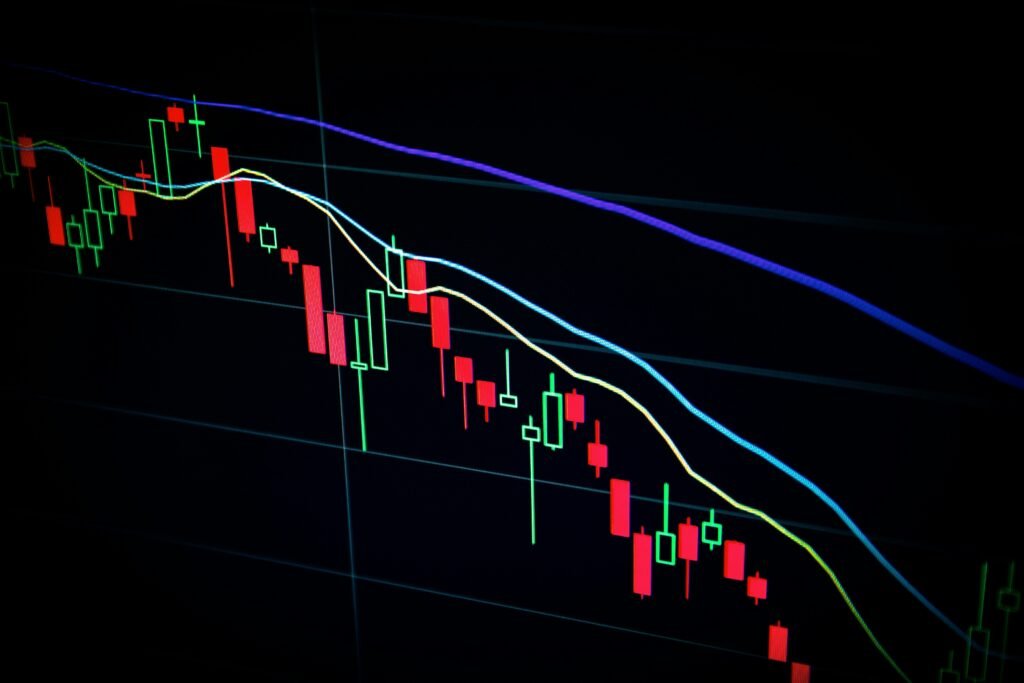
The technical and fundamental impact of the US rate cut hopes on the ASX market is significant. The possibility of a rate cut has led to increased investor confidence, resulting in a positive impact on the market. The technical indicators, such as the moving averages and relative strength index (RSI), are also indicating a bullish trend. The fundamental factors, such as the company’s financial performance and industry trends, are also supporting the market’s growth.
The ASX market’s performance is also influenced by the dividend yield, which is an essential factor for income-seeking investors. The current dividend yield is attractive, and the possibility of a rate cut could lead to increased demand for high-yielding stocks. As the market continues to evolve, it is essential to analyze the underlying factors driving this trend and assess the potential implications for investors. For more information on mastering the ASX 200, please refer to our article on Mastering the ASX 200: A Deep Dive into ETF Investing for Australian Shares
Competitor Analysis & Industry View
The competitor analysis and industry view are essential in understanding the ASX market’s performance. The key sectors, including finance, healthcare, and technology, are driving the market’s growth. The competitor analysis indicates that the ASX market is competitive, with several key players competing for market share. The industry view is also positive, with the possibility of a rate cut leading to increased investor confidence.
The ASX market’s performance is also influenced by the global economic trends, including the ongoing trade tensions between the US and China. These tensions have been affecting investor confidence, and their resolution could have a significant impact on the market. As the market continues to evolve, it is essential to analyze the underlying factors driving this trend and assess the potential implications for investors. For more information on the ASX tech sell-off, please refer to our article on ASX Tech Sell-Off: Navigating the S&P/ASX 200 Information Technology Index (XIJ) Slump and Future of Growth Stocks
Future Outlook / Predictions
The future outlook for the ASX market is positive, with the possibility of a rate cut leading to increased investor confidence. The technical and fundamental indicators are also supporting the market’s growth. However, there are also risks associated with the market, including the ongoing trade tensions between the US and China. As the market continues to evolve, it is essential to analyze the underlying factors driving this trend and assess the potential implications for investors.
The ASX market’s performance will be closely watched in the coming months, and the possibility of a rate cut could have a significant impact on the market. The key sectors, including finance, healthcare, and technology, will be driving the market’s growth, and their performance will be closely watched. As the market continues to evolve, it is essential to analyze the underlying factors driving this trend and assess the potential implications for investors. For more information on the daily newsletter, please refer to our article on Daily Newsletter 16 March 2026 – ASX 200 Downturn Deep Dive: Navigating Volatility as the Index Extends Its Slide to 8,583
Frequently Asked Questions
What is the current trend in the ASX market?
The ASX market is currently experiencing a five-day high due to hopes of a US rate cut.
How does a US rate cut affect the ASX market?
A US rate cut can lead to increased investor confidence, resulting in a positive impact on the ASX market.
What are the key factors to consider when investing in the ASX market?
Key factors to consider include market trends, economic indicators, and company performance.